
Robin Hood didn’t ride through Sherwood Forest with a bow slung over his shoulder just to steal from the rich and give to the poor. That’s the story they taught you in school. The truth? It’s messier, darker, and far more human. Robin Hood hooking wasn’t about charity. It was about survival. And in the harsh winters of 12th-century England, survival meant taking what you needed - by any means necessary.
Some say the real Robin was a disgraced nobleman, stripped of his land after backing the wrong side in a royal power struggle. Others claim he was a forest ranger turned outlaw after being framed for poaching. Either way, he didn’t start out as a hero. He started out as a man with nothing left to lose. And if you’ve ever been broke, hungry, and ignored by the system, you know how that feels. There’s a reason why modern cities still have graffiti of him with a bow and arrow. He’s not just folklore - he’s a symbol for anyone who’s ever felt the system was rigged. euro girls escort london might sound like a strange tangent, but it’s the same human need: connection, escape, a way out when the world won’t give you a hand.
How Robin Hood Hooking Actually Worked
Hooking wasn’t a fancy term back then. It meant ambush. It meant setting up in the woods along the main trade routes - the A1, the old Roman roads - where wealthy merchants, tax collectors, and church officials passed through with carts full of grain, silver, and wool. Robin’s crew didn’t wear green tights. They wore mud-stained cloaks, hooded and silent. They didn’t shout demands. They waited. Then struck fast.
They didn’t kill unless they had to. Most targets handed over their goods without resistance. Why? Because the local peasants knew who Robin was. If you resisted, your name got whispered to the wrong people. If you paid up, your family got bread that week. It was a silent contract. The Sheriff of Nottingham? He didn’t care about justice. He cared about collecting taxes for the king. Robin didn’t rob the poor. He robbed the ones who had more than they needed - and made sure the rest of the village saw it.
The Myth vs. The Money
The ballads painted Robin as noble. The truth? He was a businessman. His operation had logistics. He had lookouts. He had storage caves in the forest. He had a system for distributing goods - not just to the starving, but to the families of men who’d been hanged for stealing a loaf of bread. That’s not altruism. That’s loyalty. That’s a network.
Historians found records from 1198 in the Pipe Rolls - official tax documents - that mention a Robert Hood, a fugitive in Yorkshire, accused of stealing livestock and grain. No mention of a Merry Men. No mention of Maid Marian. Just a man who vanished after a raid on a royal granary. That’s the real Robin Hood. Not the Disney version. Not the Errol Flynn one. Just a guy who knew how to move goods, avoid capture, and keep his people fed.
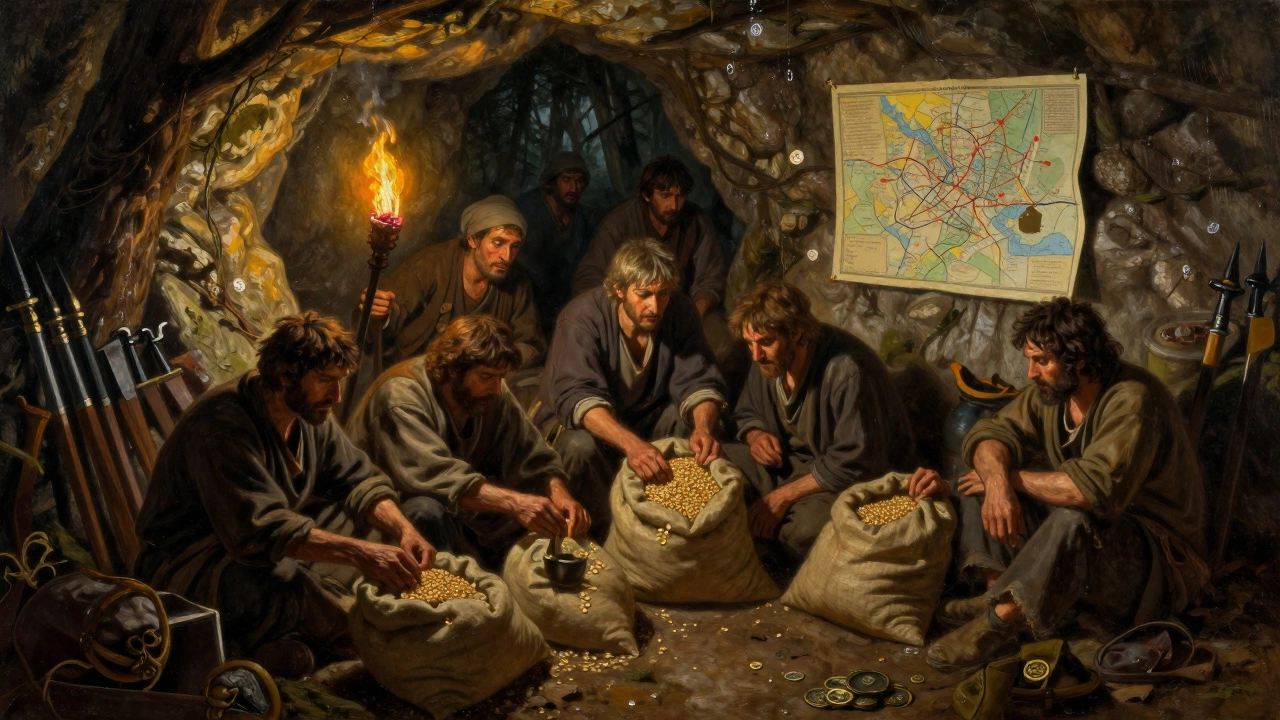
Why the Legend Lasted
People didn’t just remember Robin because he stole. They remembered him because he made them feel like they weren’t alone. In a world where the crown could take your land, your son, or your life for not paying a tax you couldn’t afford, Robin was proof that someone was fighting back. He didn’t need a crown. He didn’t need a title. He just needed to be faster than the king’s men.
Centuries later, when factory workers in Manchester were starving during the Industrial Revolution, they sang songs about Robin Hood. When farmers in Ireland were evicted during the Great Famine, they carved his image into their doorframes. Robin Hood hooking wasn’t about archery. It was about resistance. About saying, "I won’t let you take everything."
Modern Echoes
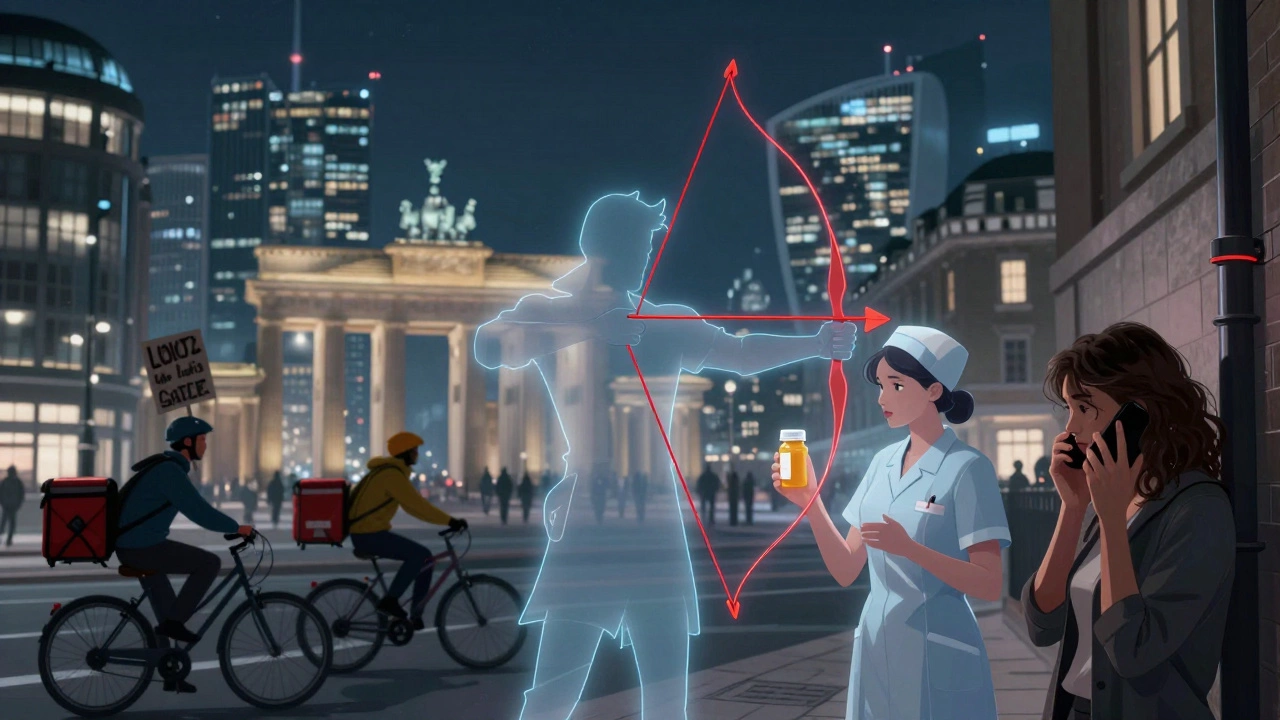
Look at today’s gig economy. Delivery drivers who work 14-hour shifts for $8 an hour. Nurses skipping meals because their insurance deductible is too high. Parents choosing between rent and medicine. These aren’t medieval serfs. They’re just as trapped. And just like Robin’s time, the system is designed to keep them quiet.
There’s no bow and arrow anymore. But there are whistleblowers. There are union organizers. There are people who leak corporate records to expose wage theft. There are online fundraisers that bypass banks to get money directly to families in crisis. That’s Robin Hood hooking in 2025. It’s not about stealing from banks. It’s about redistributing power.
And yes - there are people who sell their time, their bodies, their privacy, just to survive. That’s why you’ll hear whispers of euro girl escort london in back-alley forums. Not because it’s glamorous. But because the system left them no other option. Robin didn’t romanticize his choices. Neither do they.
What Robin Hood Didn’t Teach You
He didn’t win. Not really. The Sheriff never got caught. The king didn’t change his laws. Robin disappeared - some say he was killed in a ambush near Kirklees Priory. His body was buried in an unmarked grave. The legend lived. The man didn’t.
That’s the lesson no one tells you. Systems don’t fall because of one hero. They fall because enough people stop believing in them. Robin didn’t change England. But he made people question it. And that’s more dangerous than any arrow.
Today, you don’t need a longbow to fight back. You need to speak up. To share. To refuse to stay silent when someone’s being crushed. Robin Hood hooking wasn’t about the loot. It was about making sure the world saw what was really going on.
And if you’ve ever felt invisible? You’re not alone. Robin knew that feeling too.
Why This Still Matters
There’s a reason why, in 2025, you still see Robin Hood stickers on protest signs in London, Berlin, and Sydney. It’s not nostalgia. It’s recognition. The gap between the rich and the rest is wider now than it was in 1199. Taxes are higher. Wages are lower. Housing is a lottery. And the people in charge? They still don’t live like you do.
Robin Hood didn’t need a following. He just needed enough people to believe he was real. And he was - in the way that matters most. He was real to the mother who fed her kids because of a stolen sack of flour. He was real to the father who didn’t get hanged because someone else took the blame. He was real to anyone who ever looked at the system and said, "This isn’t right."
euro escort girls london might seem like a world away from Sherwood Forest. But it’s the same story. People doing what they have to do when the world won’t let them do what they should.